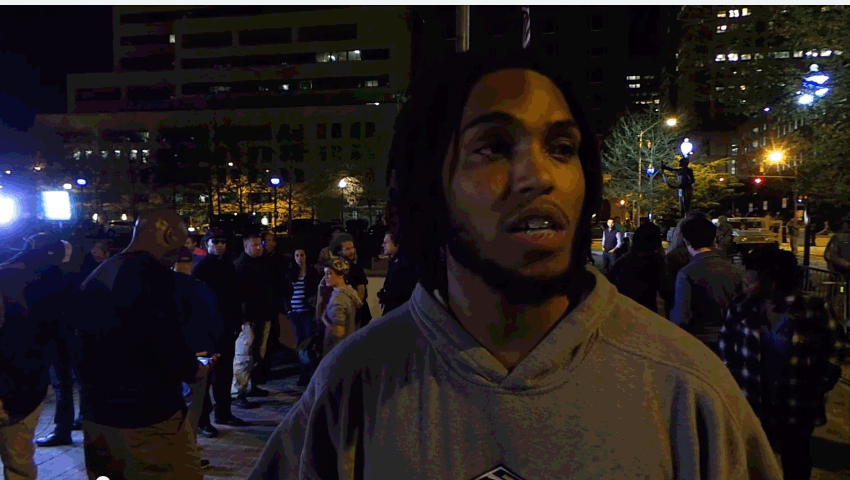

Washington DC—Former employees of the Department of State assembled outside the diplomatic headquarters on Friday, warning that reductions in force (RIFs) under Marco Rubio will imperil, if not fundamentally eliminate, U.S. diplomatic capabilities abroad. The assembled group was unmistakably striking in that it included active federal employees and federal employees already RIFed, as well as federal employees from other agencies already affected.
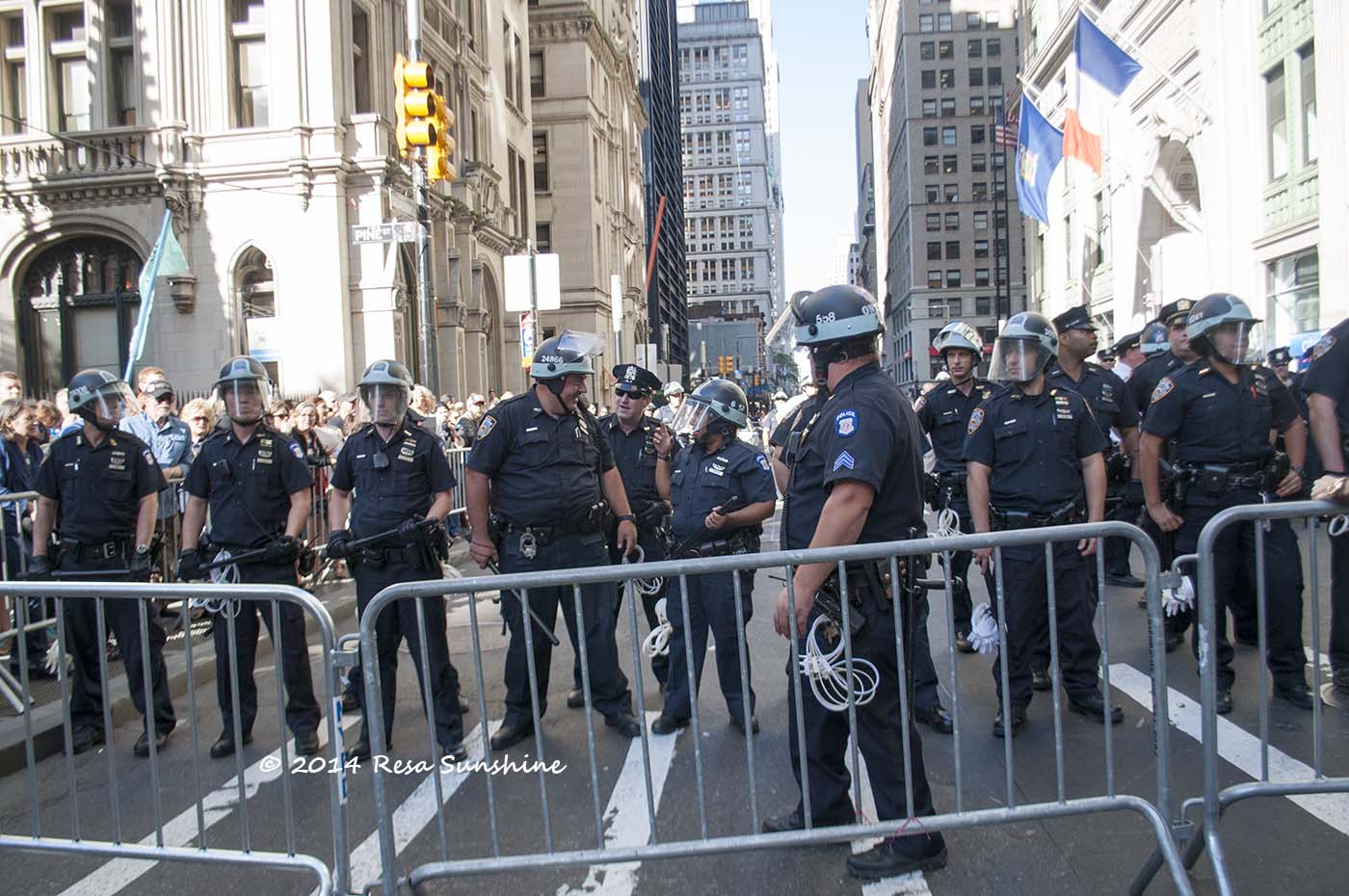
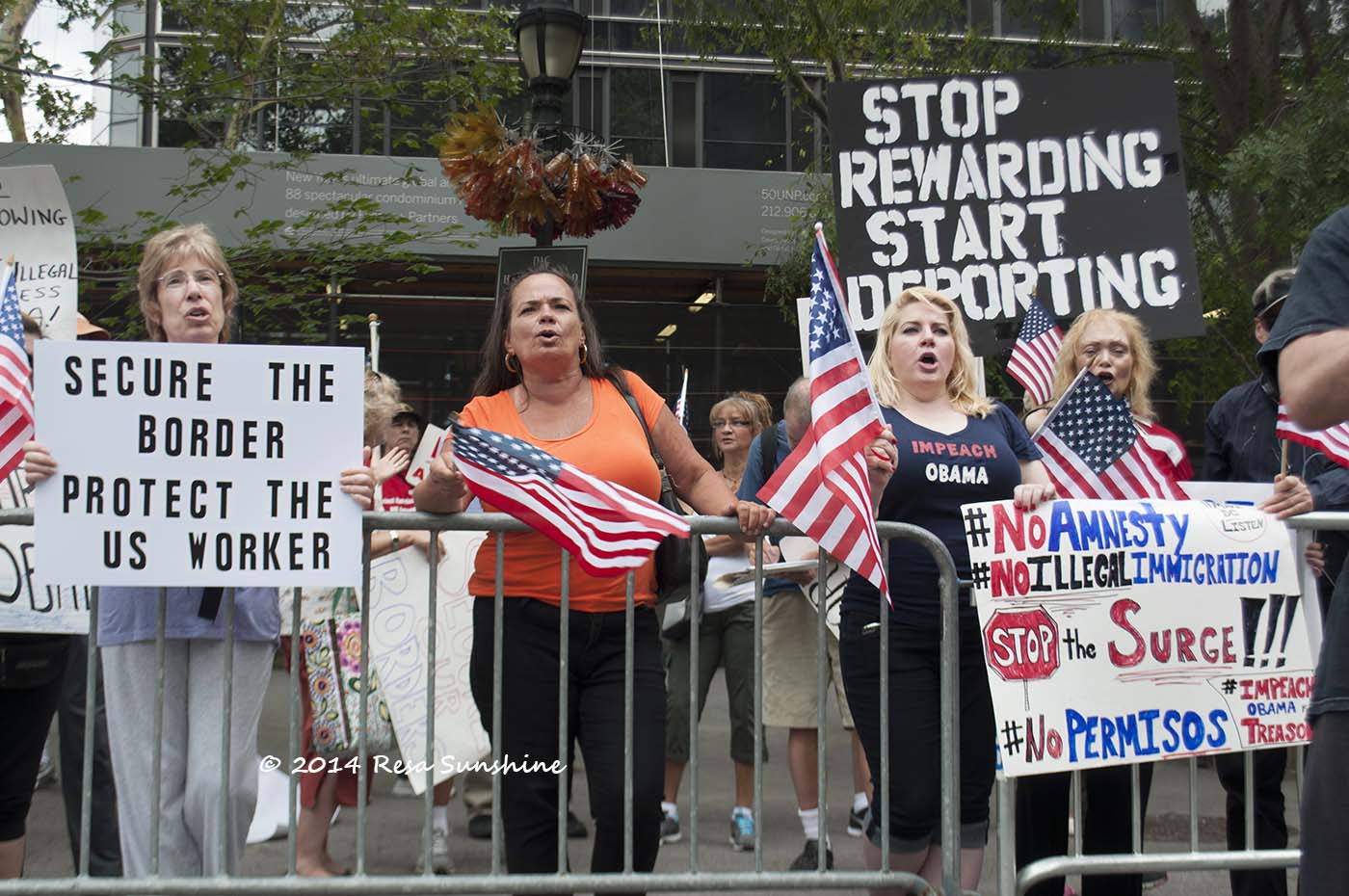
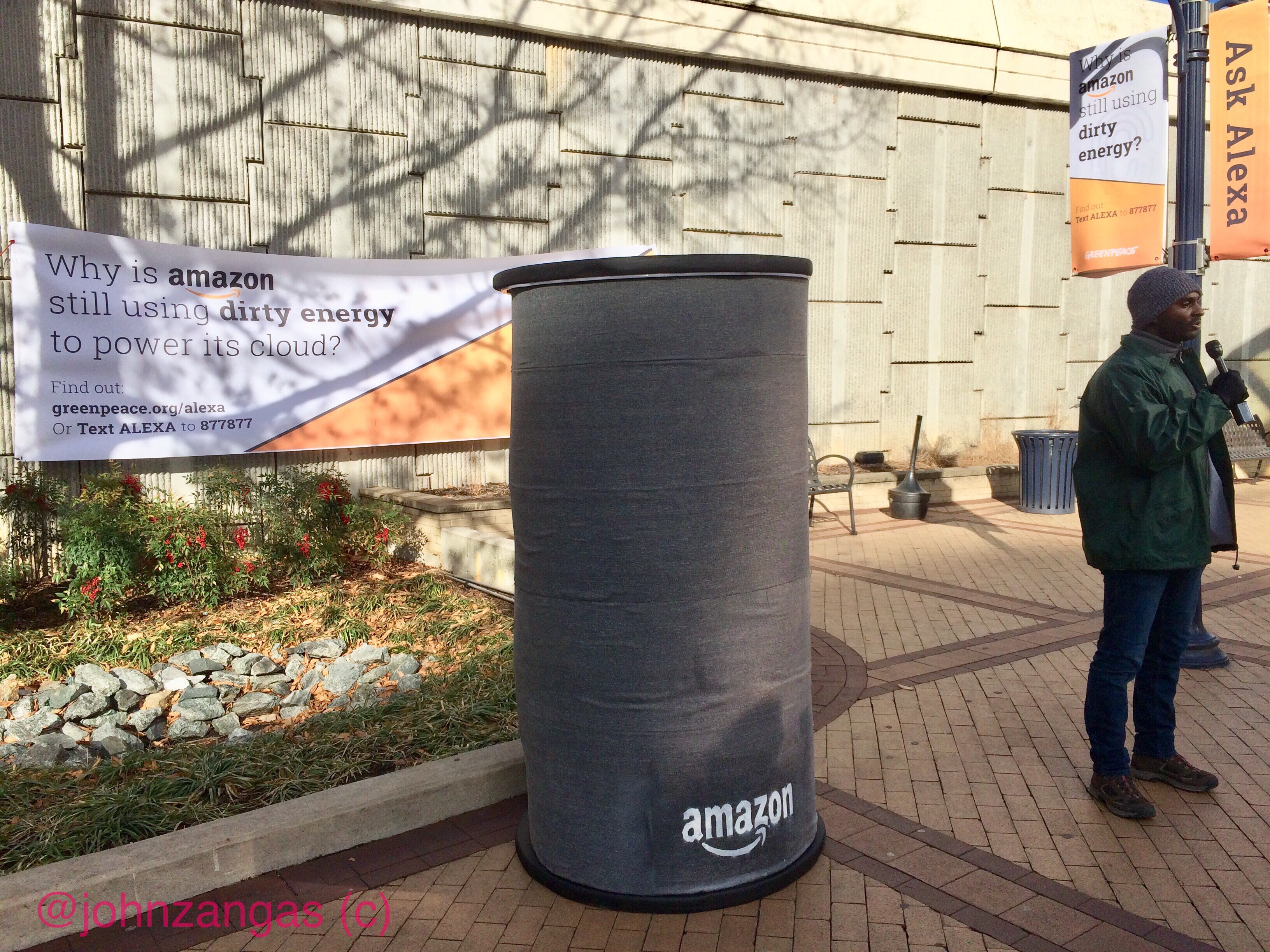
Outside the Harry S. Truman State Department building, lines of metal barriers and special police blocked access to the diplomatic headquarters, although it was clear that the limited number of those assembled posed no threat to the offices. Several groups of supporters held signs and banners. Federal workers from other agencies such as the Consumer Financial Protection Bureau and the Department of Education, agencies which have been virtually eliminated, also spoke at the rally.
Just hours after the federal workers rallied, it was expected that about 2,000 diplomats and their support teams from 132 different departments would soon be issued termination notices. The RIFs at the Department of State were a part of wider government agency RIFs ordered under Executive Order on February 11, 2025, and implemented under the so-called Department of Government Efficiency (Doge). The American Federation of Government Employees, the AFL-CIO, and other unions filed suit to stop the mass firings and on May 9, 2025, U.S. District Judge Susan Illston of the U.S. District Court of Northern California issued a temporary restraining order to halt the firings. The case is presently on appeal to the Supreme Court awaiting a final ruling which is expected any day and will more likely than not, result in the RIFs being carried out.
Speaker: U.S. State Department Will “Lose Credibility As A Supporter of Democracy”
On the sidewalk, a mist began to fall as speakers tore into Secretary Marco Rubio for his hypocrisy in what they described would become a critical flexion point for ending U.S. support of democratic governance in countries abroad who rely on U.S. diplomatic support.
Carol, a federal employee presently working at the Department of State, who gave an alias, said she expected to be let go within the next few days, and warned the RIFs would cause the U.S. to “lose its credibility as a supporter of democracy and as a global leader.” Carol wished not to give their real name or indicate what projects she worked on. She also said that in addition to eliminating many vital programs supporting vulnerable democratic governments, the RIFs create a “vacuum which will eventually be filled by countries like China and Russia.”
Carol also slammed the management of the RIFs, saying that “The way it’s being done is so haphazard and chaotic. It’s showing the world that no one is in charge, and no one knows what the hell they’re doing. Right now, we don’t even know who is in charge at the Department of State, Secretary Rubio or Doge or someone else.”
She listed several of the many programs that would be cut because funding and support staff would be eliminated: combating disease, fostering diplomacy, accessing the internet, combating disinformation, programs that empower people around the world, and programs that encourage multiple religions to coexist. These are but a few of the many factors vital to functional democracies abroad.
Federal workers must speak out about RIF impacts and lost services
Gabriel O’Malley, an enforcement attorney who worked at the Consumer Financial Protection Bureau, said “Now is the time for federal employees to come out of the shadows that we’ve been working in and talk to the public about the work we do.”
He explained that federal workers “are under attack by a coordinated effort of disinformation, untruths, and outright lies” coming from the Trump White House “with a unity of purpose to demonize us and make the American public think we are wasteful, lazy, and useless when the opposite is the truth.”
He also said that by speaking out about what they do, federal workers were making sure that people understand what services would be lost and what negative impacts it would have on the public.
He also urged federal workers to support each other across agencies at other rallies and actions.
U.S. Department of State RIFs and program cuts “Will Make U.S. Less Safe, Less Strong, and Less Prosperous”
A statement issued by Save U.S. Diplomacy, a group of foreign affairs experts and citizens, was read during the rally. It reads, in part:
“It appears Secretary of State Marco Rubio is moving forward with firing thousands of State Department employees and eliminating 132 offices. This irresponsible move comes at a time of war in the Middle East and in Ukraine, and spreading instability across much of world; when American adversaries are taking advantage of the administration’s chaotic retreat from diplomacy and soft power. The State Department employees targeted work to prevent conflict, stabilize fragile states, defend democracy, protect human rights, combat disease, end famine, promote free speech and internet freedom…the Trump administration is signaling that it plans to eliminate these functions without thought, conscience, or understanding of the consequences. These firings will make America less safe, less strong, and less prosperous.”
Harvard Kennedy School Report Proposal Ignored or Reversed
In 2020, the Belfer Center for Science and International Affairs, Harvard Kennedy School, published a report arguing that the U.S. was not prepared for the coming diplomatic challenges it would face in the next decade. Its executive summary reads, “The United States Foreign Service is confronting one of the most profound crises in its long and proud history. At a time of pandemic, recession, and mounting global challenges, our nation’s career diplomats find themselves without the support, funding, training, and leadership they need to represent the American people effectively overseas and in Washington, D.C.”
The report proposed that the State Department undertake 10 major initiatives to upgrade its structure, modernize and train its diplomatic corps’ competencies, and strengthen its field operations. Some of these include:
—Congress should pass a new Foreign Service Act to reshape the Service for the decades ahead and set the highest standards for diplomatic readiness, expertise, and leadership.
—Direct a relentless focus on diversity as a first-order strategic priority. Diversity is an essential element of producing high performance. America’s diplomats should be representative of the American people, their values, and their aspirations.
—Strengthen the professionalization of our diplomats through a vastly expanded career-long program of education and training that focuses on mastery of substantive foreign policy issues, diplomatic expertise, and leadership.
—Initiate a wholesale overhaul of the personnel system to make it more modern, flexible, transparent, and strategically oriented to future challenges and workforce needs.
—Seek legislative authorization and funding for a Diplomatic Reserve Corps, like the military, with annual training requirements and activation commitments. This will create a surge capacity in the event of a national emergency or international crisis and open opportunities for citizens with special skills to support American diplomacy.
—Create a stronger and more nonpartisan Foreign Service by expanding the number of ambassadorial and senior Washington assignments for career professionals.
Of the 10 recommendations proposed, the State Department is effectively reversing all of the Harvard Kennedy School proposals under Secretary of State Marco Rubio.